Mull packs a remarkable amount of wildlife into a small island, and the good news for visitors is that something is always in season. The headland that holds a white-tailed eagle in February will have minke whales moving past it in July and whooper swans overhead by November. Knowing roughly what happens when — and where to stand — is what turns a hopeful walk into a plan.
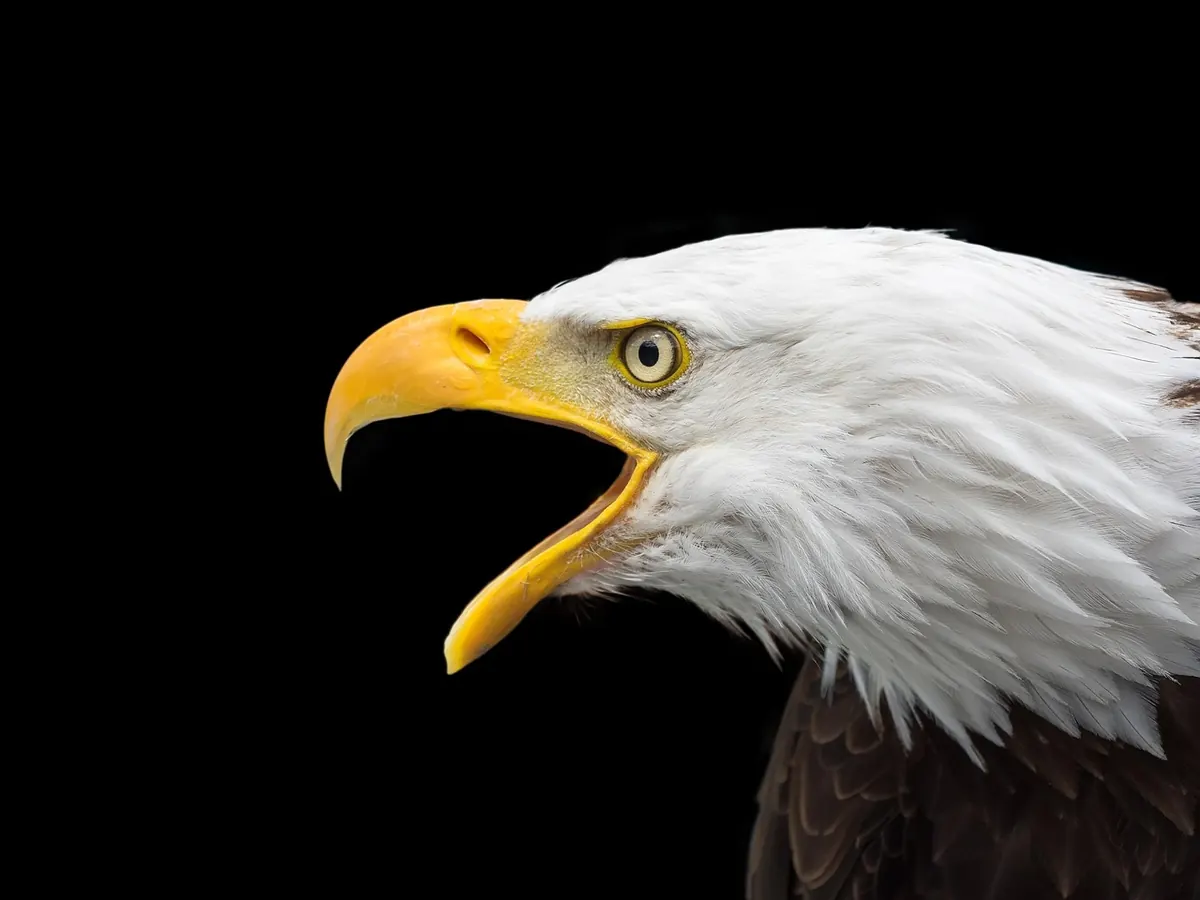
March is when the white-tailed eagles get down to business. Pairs display over their territories in late winter, then settle to incubate through March and April, which means long hours with one bird sitting tight while the other hunts. That suits watchers well. Scan the sheltered coastlines of Loch na Keal, the Sound of Mull and the north coast for a bulky, plank-winged shape perched on a crag or a conifer. Give it time: an eagle can sit motionless for an hour and then lift on a whim.
Golden eagles need wilder country — the ridges above Glen More, the flanks of Ben More and the empty glens between them. Look for a soaring bird with a long tail and wings held in a shallow V, and check any ridge line with a decent updraft.
Otters are resident all year, but spring is when cubs begin to show. Fish the tide rather than the clock: the two hours either side of low water are the most productive, particularly on seaweed-covered shores such as those around Grasspoint, Loch na Keal and the Ross of Mull. A flat rock with a scattering of spraint on top is a good sign that you are in the right place. Move slowly, keep low, and use binoculars rather than your legs.
At sea, the colonies wake up. Guillemots and razorbills return to the cliffs by April, puffins come back to the Treshnish Isles and Staffa from late March, and Arctic terns arrive to squabble over the same patches of water.
June and July are the crowd-pleasers. Puffin colonies are at their busiest, and the first and last boats of the day usually mean fewer people and better views. The same goes for the birds themselves — early morning and evening are when they are most relaxed about coming ashore.
Basking sharks arrive with the settled weather. They favour calm, sunny days with flat water, when a dark dorsal fin and the tip of a tail can be picked out from a headland. The west coast, Calgary Bay and the waters around the Treshnish Isles are the classic hunting grounds. Scan slowly, sweeping your binoculars in overlapping strips rather than staring at one spot.
Minke whales start to appear from late spring, and by July the sea is worth watching from any high, sheltered viewpoint on the west coast. Sea eagle chicks typically fledge in July, which means young birds drifting over the island looking for easy pickings — often over the same lochs where you were watching adults in March.
One practical warning: this is midge season. A head net and repellent are not luxuries.
August to October is the strongest window for cetaceans. Minke whales are still about, and common dolphins, bottlenose dolphins, Risso's dolphins and harbour porpoise all turn up in these months. Orcas pass through occasionally. Humpbacks have been recorded more often around the Hebrides in recent winters, but treat any sighting as a bonus rather than a fixture.
Land-based sea watching works best on a calm morning with a light offshore breeze and a bit of texture on the water. Flat calm sounds appealing but makes fins hard to spot; a slight chop gives you something to break the surface.
Autumn also brings the big set pieces. Grey seals start pupping in October, with bulls roaring around the haul-outs. Red deer rut from late September into October — be on the hill at dusk, listen for the roar, and keep well downwind. Winter thrushes and geese begin to arrive, and gales sometimes blow rarities such as Sabine's gulls or Leach's storm petrels close to shore.
From November to February the island empties of visitors and the wildlife becomes easier to watch. White-tailed eagles are often found perched and visible, particularly near water. Golden eagles perform their sky-dance displays in late winter, tumbling and looping over the glens.
Otters are more concentrated in sheltered inlets during rough weather, and the low winter sun is kind to wet fur. Meanwhile the lochs fill with whooper swans, goldeneye, red-breasted mergansers and greylag geese, and the rocky shores hold purple sandpipers and turnstones. Great northern divers fish offshore.
Days are short, so plan carefully. Most boat trips do not run in winter, and sea conditions can change quickly on the west coast.
Buy a tide table before you buy anything else. So much of Mull's wildlife is tidal: otters work the low water, waders feed on the falling tide, and seals haul out on the ebb. A dull day at the right state of tide beats a sunny day at the wrong one.
Pack binoculars, ideally 8x42, and a spotting scope if you have one — the west coast is a big seascape and most of the action happens further out than you expect. Add waterproofs, warm layers and footwear that can cope with bog. On single-track roads, use passing places to let traffic by, and park in laybys rather than on the road or in a passing place.
Keep dogs on a lead around livestock, nesting birds and anywhere a deer or an otter might cross your path.
Follow the Scottish Marine Wildlife Watching Code: keep well clear of whales, dolphins, seals and basking sharks, avoid cutting across an animal's path, never chase, and let curiosity bring wildlife to you.
Finally, use the operators who do this every day. Local boat skippers and wildlife guides know the state of the sea, where the birds are nesting and how to approach animals without pushing them. They will also tell you honestly when the weather means you should stay ashore — which, on Mull, is advice worth taking.
Photo: moonzigg / Pixabay