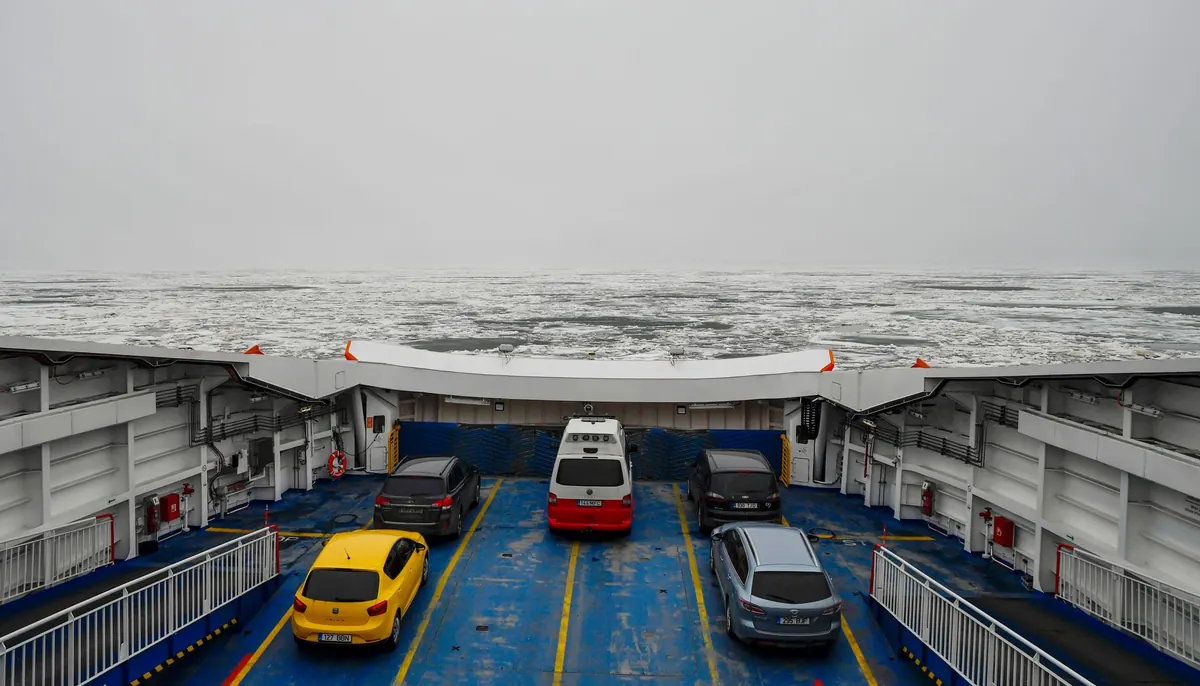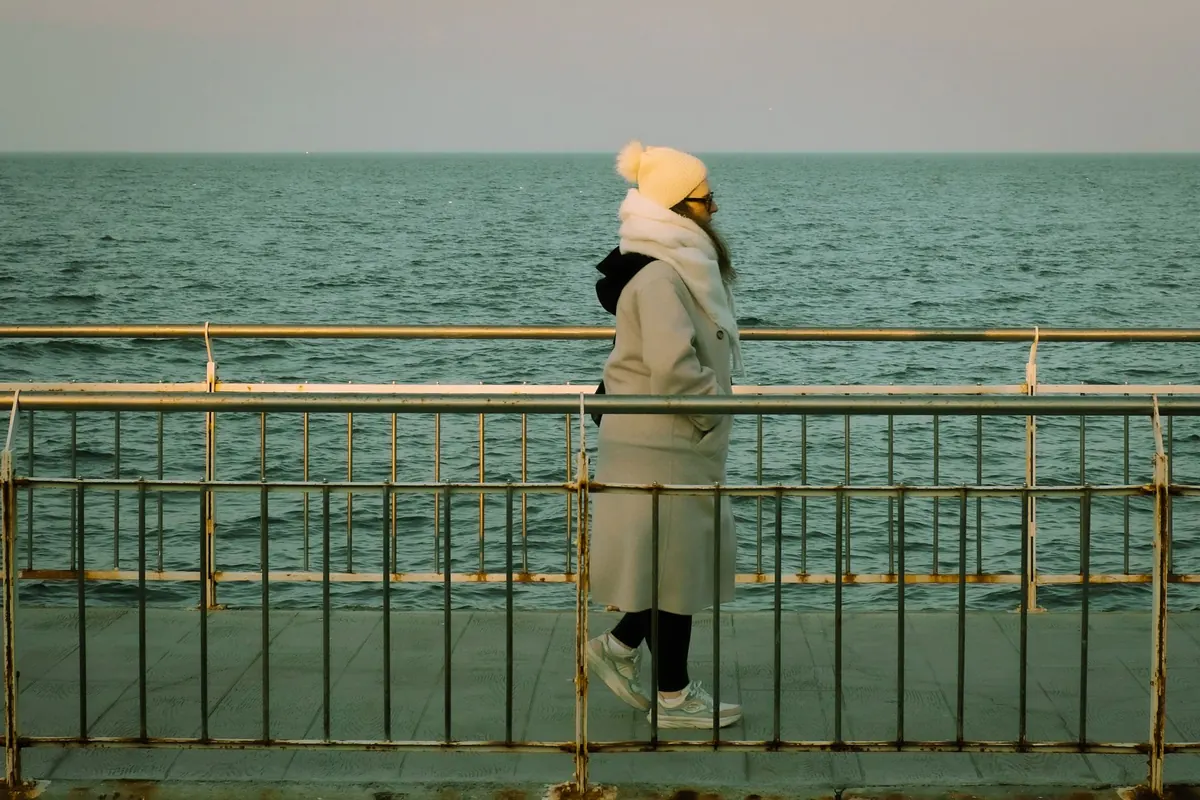
An hour after the ferry leaves the mainland, the signal bars on your phone thin out, the road narrows to a single track, and the trip starts to feel like a different country. British islands are not one destination but dozens, and they differ wildly from each other. The Isles of Scilly sit in warm, clear water and almost subtropical light. Shetland is closer to Bergen than to London. Orkney has stone circles older than the pyramids. Sark has no cars on its main lanes at all. Some islands are a twenty-minute hop from a city quay; others take a day, two ferries and a certain amount of luck with the weather.
That range is part of the appeal. It is also why so many first-time visitors arrive with mainland assumptions that quietly work against them. The habits that make a city break easy — booking late, driving fast, expecting a shop on every corner, keeping your phone in your hand — are exactly the habits that cause trouble once you are out past the last headland.
None of the mistakes below will ruin a trip on their own. Stacked together, though, they turn a week that should feel spacious into a scramble from one timetable to the next.
A crossing is not a bus. In July and August, car spaces on popular routes sell out weeks or months ahead, and foot-passenger capacity can fill too. Sailings are also weather-dependent: fog, swell and wind cause cancellations at short notice, and when a route is disrupted, every waiting vehicle competes for the same next sailing. Book early, turn up well before check-in closes, and think of the crossing as the first day of the holiday rather than the price of admission.
Small islands have a limited number of beds, and a large share of them are self-catering cottages with week-long minimum stays in high season. The good places are booked by returning visitors a year in advance. If you are travelling in summer, at Easter, or during a local festival, secure your bed before you book anything else. Turning up and hoping rarely ends well, and the one remaining room is usually the most expensive one.
On many islands, the main road is one lane wide with regular passing places. You pull in to let oncoming traffic past, you wait for the car coming downhill, and you raise a hand in thanks. Sheep, cattle and the occasional tractor have right of way. Satnav will happily send you down a track that turns into a bog. Allow far more time than the map suggests, and never park in a passing place.
Coverage is patchy and sometimes nonexistent. Download offline maps, ferry timetables and tide tables before you leave the mainland. Carry cash: honesty boxes, small cafés, village halls and some ferry terminals still prefer it, and card machines cannot process a payment when the line drops. A paper map is not nostalgia, it is insurance.
Island weather changes several times a day, and wind makes a mild temperature feel sharp. Bring layers, a genuine waterproof, sturdy shoes and something warm for evenings, even in June. If you are heading to the Hebrides or the west coast in summer, add midge repellent and a head net — the calm, damp evenings that make the light so beautiful also bring out clouds of them.
Shops close early. Some shut for a half day midweek, and Sunday opening is limited or absent in parts of the Hebrides and the Scottish islands, where Sunday ferries are still a relatively recent arrival. Out of season, an island may have one shop, one pub and one café, and any of them may be closed for a family occasion. Check ahead and buy food when you see it.
Twenty miles on a single-track road with passing places, livestock and a few photo stops can take ninety minutes. Fuel stations can be far apart, and some close on Sundays. Fill up whenever you pass a pump, and plan your day by time rather than distance.
Tidal causeways catch people out every year. Lindisfarne, Burgh Island and St Michael's Mount are all reachable on foot or by car at low water and cut off at high water, sometimes with a fast-moving current across the crossing. Read the tide table, note the safe window, and never leave a vehicle on the wrong side. The same applies to swimming and rock-pooling.
These are living communities, not film sets. Learn a greeting in Gaelic, Manx or Cornish where it is spoken, respect crofting land, close gates behind you, keep dogs on leads near livestock, and buy from local shops and makers when you can. Questions like "what do you do all winter?" land badly when the answer is "the same as you, but with worse weather and better views."
A day trip buys you a car park, a gift shop and a photograph. Islands reveal themselves slowly — in the walk you take because the ferry is delayed, the pub conversation that lasts three hours, the beach you have entirely to yourself. Stay at least three nights, and leave one afternoon deliberately blank.
The islands do not reward speed. They reward attention — to the timetable, to the tide, to the weather, and to the people who live there all year.
Get these things roughly right and the islands open up in a way that few other places manage. You end up somewhere the evening light lasts until nearly midnight, where the ferry timetable sets the rhythm of the day and nobody apologises for it. You learn that a cancelled sailing is not a disaster but an extra afternoon. You find that the best meal of the week is in a village hall, that the walk you almost skipped because of rain was the one worth remembering, and that the shopkeeper who warned you about the tide will ask, on your way back, whether you made it across safely.
That is the real trade. A little preparation on the mainland buys you a week of genuine distance — from traffic, from noise, from the urge to check your phone every few minutes. Pack for the weather, respect the timetable, slow down, and the islands will do the rest.
Photo: Can Ceylan / Pexels