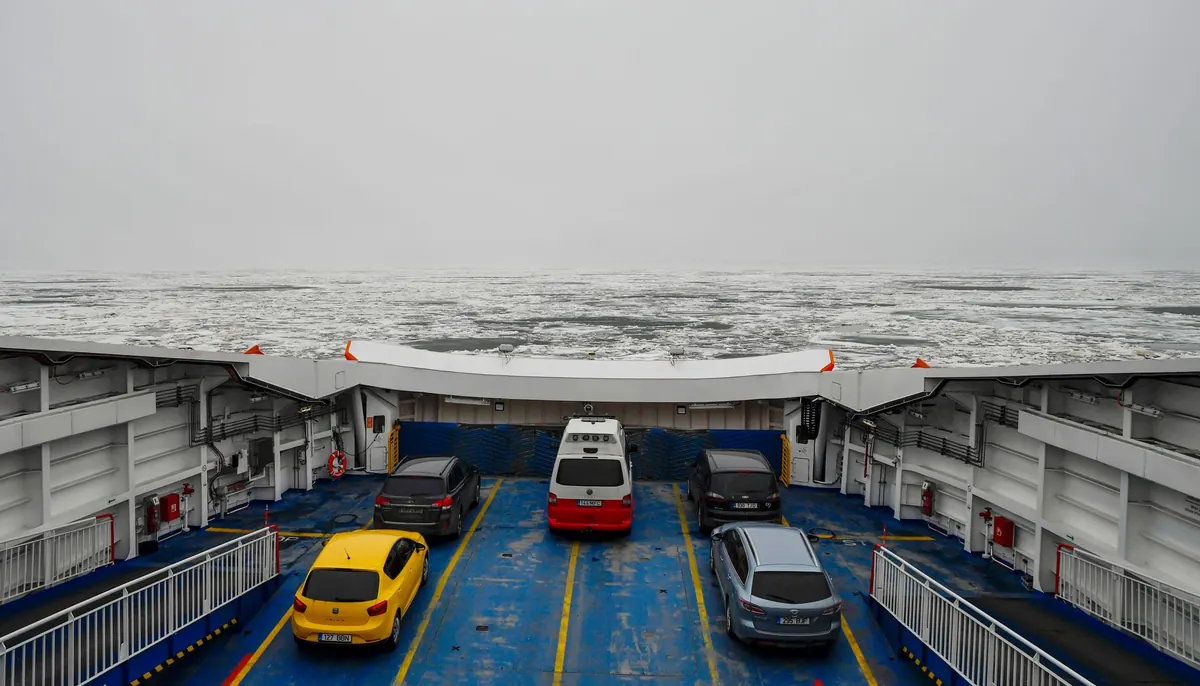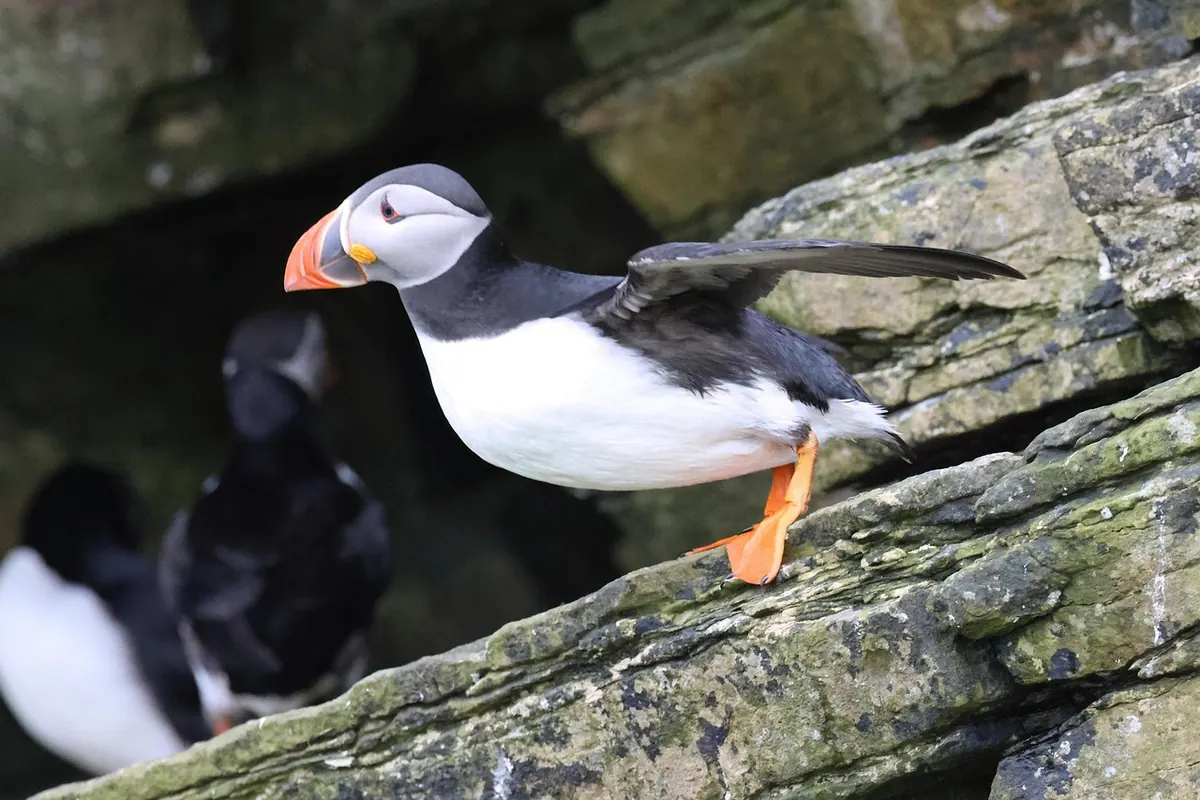
Step off the ferry in Stromness or Kirkwall and you might hear a sentence that sounds almost familiar but not quite. A shopkeeper asks if you're "wanting a poke for that". A farmer mentions the "peerie" field beyond the "geo". Someone says they'll "spier" at the office. Orcadian, the dialect of Orkney, is a rich mix of Old Norse, Scots and local invention, and it rewards a little curiosity.
You don't need to learn it fluently to enjoy it. A handful of words will carry you a long way, and islanders are generally pleased when visitors make the effort. Here's a practical guide to what you'll hear, how to say it and when to use it.
Orkney was under Norse rule for centuries, and although the old Norn language died out, it left a deep mark. Words like geo (a narrow sea inlet), vig and ayre come from that heritage. Scots arrived later and added its own layer, so Orcadian sits somewhere between Scots and something entirely its own.
The accent matters as much as the vocabulary. Vowels are often longer and rounder than in standard Scottish English, and the letter combination "ch" in words like pech is a soft, breathy sound, similar to the "ch" in "loch". Don't worry about perfecting it. Listening is half the pleasure.
Orcadian is mostly a spoken dialect, so spellings vary between writers. You'll see peerie and peerier, kirk and kirk. If you're writing it down, pick one version and stay consistent rather than worrying about a "correct" form.
These are the ones that come up again and again, whether you're in a café, a ferry queue or a community hall.
Notice how many of these are simply shorter or softer versions of English words. Gaan and doon trip off the tongue more easily than "going" and "down", especially in wind.
In a place where the weather shapes the day, the vocabulary reflects it. You'll hear people talk about a fine day meaning dry and clear, not necessarily warm. A dowie day is dull and dreary. Dreich is the same idea, wet and grey, and it's a word used right across Scotland.
Sea terms are everywhere. A voar is the spring season, a term with Norse roots that still turns up in conversation about planting and lambing. A stoup can describe a steep headland, and roost refers to a strong tidal current, the kind that makes ferry timetables interesting.
Farming families might mention thirled ground, or talk about hill and town in ways that describe how land is shared rather than its height. If you're not sure what someone means, ask. Most people will happily explain, and it often leads to a good story.
The fastest way to sound natural is to slow down and soften. A few pointers:
Using a word or two is usually welcome. Performing an accent is not. The goal is communication, not a party trick.
Orcadian grammar has its own rhythms. You'll hear "I'm gaan" rather than "I'm going", and "he's no weel" for someone who isn't well. "Whit like?" is a common greeting, roughly "how are you?" or "what's the news?". A reply might be "nae bad" or "fine, fine".
Double negatives are normal and not a mistake: "I never didnae ken" carries the meaning clearly in context. Sentences often end with a small tag, like "...is it?" or "...no?", which softens the statement.
If someone says "that's a grand peerie day", they mean it's a lovely, small-scale sort of day. Take the compliment.
You'll also hear "ben the hoose", meaning inside the house, and "the back o' beyond", a joking way of describing somewhere far off. These aren't obscure museum pieces. They turn up in kitchens and on ferries.
Local radio, community newspapers and oral history recordings are excellent sources. The Orkney dialect has been collected and written about by local authors and heritage groups, and libraries in Kirkwall and Stromness hold material worth browsing. If you're staying for a while, a conversation with an older neighbour will teach you more than any list.
Be patient with yourself. Dialect is learned by ear, over cups of tea, in the middle of a conversation about the weather. Nobody expects a visitor to arrive fluent.
Keep a small notebook or use your phone to jot down words you hear, along with the situation. Context is what makes them stick. Try one new word a day in a low-stakes setting, like a shop or a café, and see how it lands. If you get it slightly wrong, laugh and move on; that's how everyone learns.
And if you're writing anything public about Orkney, check your spellings with someone local. Dialect words carry history, and using them respectfully matters more than using them often.
Above all, listen. The words will come.
Photo: AidanSemmens / Pixabay